
Heat pump prices are expected to rise heading into 2026. Learn what affects costs, what trends to expect, and how Arizona homeowners can save on a new system. Get expert insight and plan ahead with Rainforest Plumbing & Air.
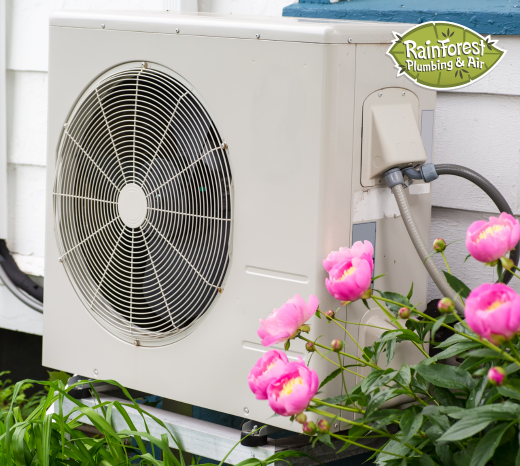
Heat pumps are quickly becoming the go-to comfort solution across Arizona, offering efficient heating and cooling year round. With 2026 coming up fast, many homeowners are wondering the big question: How much will a new heat pump cost — and what will prices look like heading into the next few years?
While exact pricing depends on your home and system needs, there are clear trends and factors that can help you plan ahead. In this blog, we’ll walk through what drives heat pump pricing in Arizona, what to expect going into 2026, and how to get the best value from your investment.
As always, the team at Rainforest Plumbing & Air is here to help you understand your options and choose the right system for your home and budget.
What Drives Heat Pump Pricing in Arizona?
Several key factors influence how much you’ll pay for a new heat pump system in the Phoenix area and beyond:
Equipment Costs
Not all heat pumps are created equal. Pricing will vary based on:
- Brand and product line
- Efficiency rating (SEER2 for cooling, HSPF2 for heating)
- Type of system (standard single-stage, two-stage, or variable-speed)
Higher-end systems often cost more up front but deliver quieter operation, better comfort, and lower monthly energy bills.
Installation Complexity
Two homes with the same size system can have very different installation costs depending on:
- Existing ductwork condition (leaky, undersized, or poorly designed ducts may need repair or replacement)
- Electrical panel capacity and wiring needs
- Whether you’re adding zoning systems for different areas of the house
- Whether this is a replacement or a new install in a home that has never had a heat pump before
More complex installs take more time and materials, which affects total price.
Local Labor & Permitting
In Arizona, labor rates, permit fees, and inspection requirements vary by city and county. Professional, licensed installation with proper permits is essential for safety, system performance, and maintaining manufacturer warranties — and it’s built into the overall cost.
Heat Pump Price Trends Heading Into 2026
If you’re planning ahead for a 2026 replacement, it’s helpful to know what’s happening in the industry.
Manufacturer Price Increases
Like most building and mechanical products, HVAC equipment pricing has seen regular increases over the years due to material, transportation, and manufacturing costs. It’s reasonable to expect modest price increases on heat pump equipment as we approach 2026.
New Refrigerant Regulations
The HVAC industry is transitioning away from R-410A toward lower global-warming-potential refrigerants such as R-454B and R-32. This shift can impact:
- Equipment design and availability
- Training requirements for technicians
- Overall cost of compatible systems
Early in the transition, prices can be affected by limited inventory, changing product lines, and supply adjustments.
Types of Heat Pumps and Their Price Ranges
While Rainforest Plumbing & Air would provide specific pricing after an in-home evaluation, it helps to understand how different system types generally compare.
Central Air-Source Heat Pumps
These are the most common whole-home systems, using existing ductwork to distribute conditioned air. Pricing depends on:
- Size (tonnage)
- Efficiency rating
- Single-stage vs two-stage vs variable-speed operation
They’re a great fit for most Phoenix-area homes that already have ducted HVAC systems.
Ductless Mini-Split Systems
Ductless heat pumps are ideal for:
- Additions or casitas
- Bonus rooms or garages
- Homes without existing ductwork
They offer excellent efficiency and zoning control, but per-zone costs can be higher than simply adding another ducted run when ductwork already exists.
High-Efficiency Variable-Speed Systems
Variable-speed heat pumps are premium systems that modulate output to match your home’s needs. Benefits include:
- Exceptional comfort and even temperatures
- Very quiet operation
- Strong energy savings potential
They typically come with higher upfront pricing but can offer excellent long-term value in high-use climates like Arizona.
Hybrid Dual-Fuel Systems
For colder, higher-elevation regions, a dual-fuel system pairs a heat pump with a gas furnace. The heat pump handles milder conditions, and the furnace takes over when temperatures get very low. This setup can optimize comfort and efficiency — but adds another layer to system and installation costs.
Energy Efficiency Standards and Their Effect on Cost
What SEER2 and HSPF2 Mean
- SEER2: Measures cooling efficiency.
- HSPF2: Measures heating efficiency for heat pumps.
Higher numbers indicate a more efficient system, which usually translates to lower energy bills. However:
- Higher efficiency models often come with higher upfront prices.
- Over time, the energy savings can make up the difference, especially in climates like the Phoenix area where cooling is used heavily.
Why Higher-Efficiency Systems Cost More (But Can Pay Off)
Premium components, advanced compressors, and better controls all contribute to higher pricing. However, if you:
- Plan to stay in your home for many years
- Have high summer cooling bills
- Want improved comfort and quieter operation
then a high-efficiency heat pump may be the smarter long-term investment.
Additional Costs to Factor In
When budgeting for a heat pump, remember to include potential add-ons that can improve comfort, performance, or protection.
Smart Thermostat Integration
Upgrading to a smart thermostat that’s compatible with your new heat pump can:
- Improve energy efficiency
- Allow remote control via phone app
- Enable more precise scheduling and comfort control
Insulation or Ductwork Improvements
A great heat pump can only do so much if:
- Ducts are leaking into the attic
- The home is poorly insulated
- There are major hot or cold spots
Your Rainforest technician may recommend improvements to ductwork, sealing, or insulation to help your system perform at its best.
Maintenance Plans & Extended Warranties
A heat pump is a major investment, and ongoing maintenance is key to:
- Efficiency
- Reliability
- Maximizing system life
Optional maintenance plans and extended warranties can offer peace of mind and help you avoid surprise repair costs.
How Arizona Property Managers Can Save in 2026
While base pricing may trend upward, there are several ways to control your total investment and maximize value.
Rebates, Utility Incentives & Tax Credits
Depending on the year and program availability, homeowners may qualify for:
- Utility rebates for installing high-efficiency heat pumps
- Manufacturer or seasonal promotions
- Federal tax credits related to energy-efficient home improvements
These programs can change from year to year, so it’s important to talk with a knowledgeable contractor who stays up to date and can guide you through available savings.
Scheduling During Off-Peak Seasons
Booking your installation during milder shoulder seasons (spring or fall) can sometimes help with:
- Faster scheduling
- Potentially better access to promotions
- Less stress than replacing a system during a heat wave emergency
Plan Smart, Invest Wisely
Heat pump pricing is expected to rise modestly heading into 2026, influenced by equipment costs, refrigerant changes, and general market trends. But with smart planning, you can still get excellent value from your investment.
A professionally sized and installed heat pump can deliver:
- Year-round comfort
- Lower energy bills
- Reliable performance
- Long-term peace of mind
Ready to Explore Heat Pump Options?
If you’re thinking about installing or replacing a heat pump before 2026, now is a great time to start planning.
Rainforest Plumbing & Air can:
- Evaluate your home’s needs
- Recommend the right heat pump options
- Help you understand available rebates or incentives
- Provide clear, upfront pricing and financing options
Book a heat pump consultation or pricing quote today so you’re ready before peak season hits — and enjoy a more comfortable, efficient Arizona home for years to come.
Related Posts:
Is A Heat Pump Powerful Enough To Cool Your Phoenix Home?
Heat pumps are quickly becoming the go-to comfort solution across Arizona, offering efficient heating and cooling year round.